
How Do You Recover From Being in a Cult? (Part 2)
Religious trauma therapy in person in Wichita and online across Kansas
If you’re on the road to recovering from a cult - or any high-control community, family, or organization - this is part two of a series on some healing experiences that pop up frequently for survivors. You can read part one here.

Finding your values includes discovering the kind of goodness you can bring to the world!
Finding Your Values
Living in a high-control community offers some shortcuts: other people tell you what your beliefs and behaviors ought to be, and you just cooperate! There’s no tedious, trial and error process of figuring out what you believe and how you want to behave. Someone molded you into a way of being; you didn’t have to figure it out.
Until you leave - and then you’re facing ground zero on who you want to be now. Without external control dictating things, one of your biggest projects might be figuring out your own value system. Dumping a value system can leave you feeling adrift and dissatisfied in life: don’t leave one system behind without developing a system to replace it, that is true to yourself!
But like all the other steps in these two articles, this is a process that takes time. If figuring out your value system feels vague to you, here’s some steps that may be helpful:
If you admire someone, try to notice what traits you feel drawn to - perhaps they advocated for others in difficult situations, perhaps they’re enthralled by a certain kind of art, perhaps they are very respectful of other people’s space... those may be clues of the kind of behaviors you want to organize your life around, too.
When something in media draws your attention and makes you feel deeply, pause and try to notice what is it that resounded for you? Was it courage, honesty, loyalty, or some other virtue? This may be a clue of things you want to model yourself after.
Pay attention when you feel regret the next day, particularly tracing whether it is the echo of an old controlling message vs a sense that you genuinely actually didn’t act out of your best self. Learning to distinguish your feelings and what information they’re offering takes practice.
Consider what you’d like to be known for when you are 70 years old. Maybe you want to be the person who showed up when someone was moving or the person who listened to someone having a rough time. Exploring this may highlight healthy ways you can balance individualism with the greater good of people around you (see part one) and find meaning in life.
Look at your whole self. You have a brain with thoughts, a body with health, social connections to nurture, meaningful work to do, purpose in life to figure out, and a spiritual side to tend. Make sure to consider how you want to nurture all those aspects of yourself as you develop a value system for life.
You don’t have to dump all your old values. Most high-control groups have some valuable things (or nobody would tolerate them!) and part of healing work is sorting through your old lifepiece by piece, rather than wholesale discarding it. It is possible to retain many of your former beliefs and practices even though you’re working to leave behind how control warped them.

Therapy: a place for new tools, processing old traumas, and being witnessed in the present moment
Grief & Trauma Work
You probably aren’t surprised to eventually see something like this coming from a therapist: consider going to therapy, especially if you can find support from someone familiar with the process of leaving a cult. There are many layers of loss after leaving a high-control relationship or community, and it is helpful if you have the support of someone solidly in your corner. You might not only be experiencing the loss of your social circle and what was good about it - like the hot meals that showed up in crises and what it felt like in your chest to really sing out something spiritual with a hundred other people - but you may also be overwhelmed by the number of new experiences and decisions now on your plate. Recovering from cults and highly-controlling relationships is a significant task.
If your situation also involved traumatic components such as abuse that was being covered up, childhood neglect, threats, etc, trauma therapy can be a huge step forward in healing. If you’re experiencing insomnia, anxiety, depression, shame spirals, feeling something other than your chronological age, struggling to set boundaries, unable to build new community, hypervigilance, triggers, or other symptoms: that’s something trauma therapy can help with. If you’re experiencing those kind of symptoms, this article may help you figure out what kind of therapy would be helpful.
Community: mutual, caring connection to other people and to the place you live
Building New Community
If there’s one thing cults do really well, it’s make people feel absolutely cocooned by belonging. Losing that intense support and comfort can be devastating and the community you eventually rebuild may look a little different than the high-control community did.
People. High-control relationships and communities encourage (or force) you to put all your social eggs in one basket, so to speak, but part of the work of recovery is spreading yourself back out across lots of baskets into a broad social network. Your support can include the work bestie that you can vent to and grab coffee for, the neighbor you mow for and who dog-sits for you, the chess-club teammate you like pitting your intellect with, the friend you browse the antique mall with, etc. Not only can your support spread horizontally into lots of “baskets,” it should also spread vertically into levels of friendship: not just best friends but also close friends, casual friends, and acquaintances. Even better, it can widen to include people who have very different beliefs and lives than you. The world of people is wide and fascinating, and it’s all out there waiting to enrich your life!
Predictability. High-control communities have some level of predictability, which humans often find comforting. So even as you move into tolerating uncertainty in some areas, you can help yourself by ramping up predictability in other areas of social experience, like: This is my grocery store and I always go through this particular clerk’s line and we always vent about the cost of food these days. Or, I walk my dog on this route and greet that neighbor while he waters his flowers every morning. These small areas of predictability in connection with other people are more helpful to mental wellbeing than they are usually given credit for!
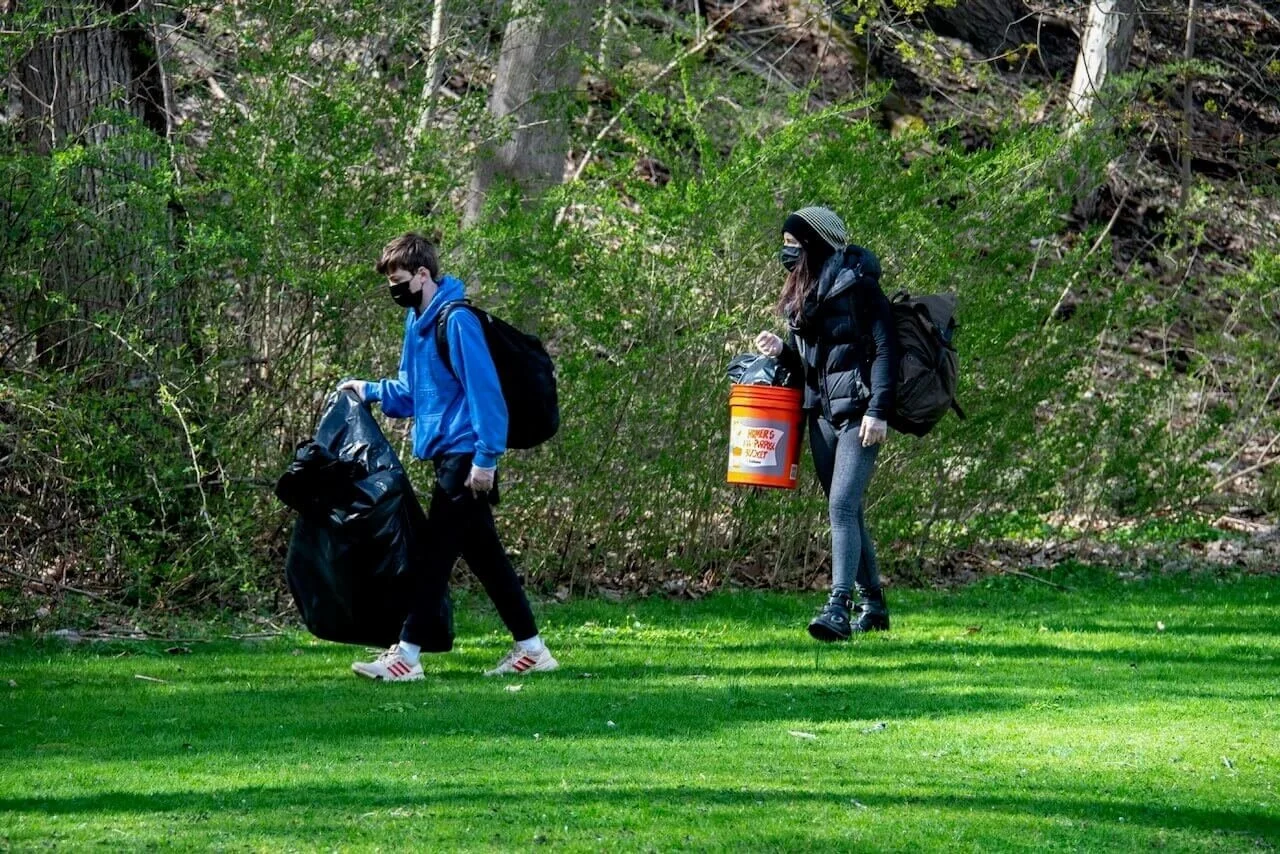
Place. Many cultures around the world attach great significance to belonging to a specific place. As you search for how to feel belonging in the world outside of a high-control relationship, consider including a sense of belonging to a place. Adopt the local park, pick up trash on your street when you walk, volunteer at a hyper-local organization - do something that helps your brain attach belonging to the actual land and nature settings of where you live and work. Bringing value to the physical place you life can help bring meaning, value and belonging back to you.
Cult Recovery Therapy in Wichita, KS
This was a list of some common things that often come up in recovering from a high-control family, relationship, organization, church, or cult. But you may have noticed that it was not a suggestion of what to believe and do instead, and that was on purpose! When people think for themselves, they usually don’t end up in the exact same place as each other. Healthy relationships have the capacity to build connection even when there is difference. Likewise, good therapy will support you through the healing process without dictating certain outcomes.
I am a person of deep faith, and I love to help people who are figuring out how to rebuild their faith through this kind of mess. But I’m also here to be supportive in your healing work no matter where you land or what you believe. If you’re in Kansas and wondering how therapy could help you through heal from life in a cult or controlling relationship, reach out today to schedule your free consultation!
Elizabeth Peters, LMSW is a licensed therapist seeing clients in person in Wichita and online across Kansas. She provides EMDR and somatic therapy for adults who are overwhelmed by anxiety, painful relationships, spiritual harm, and trauma.