
Hope After Medical Trauma
Medical trauma therapy in person in Wichita and online across Kansas
Trauma is a term people sometimes reserve for horrifying, purposely harmful experiences like assault or war ambushes, but your brain and body don’t save traumatic reactions exclusively for when people were malicious in intent. Even when something was done to benefit or save your life, the experience can still stun your nervous system and leave you grappling with mental health afterward. Even good medical care can be overwhelming and frightening. If you’re now feeling stuck and wondering whether “trauma” could apply to your experience, know that you’re not alone and there’s help available.
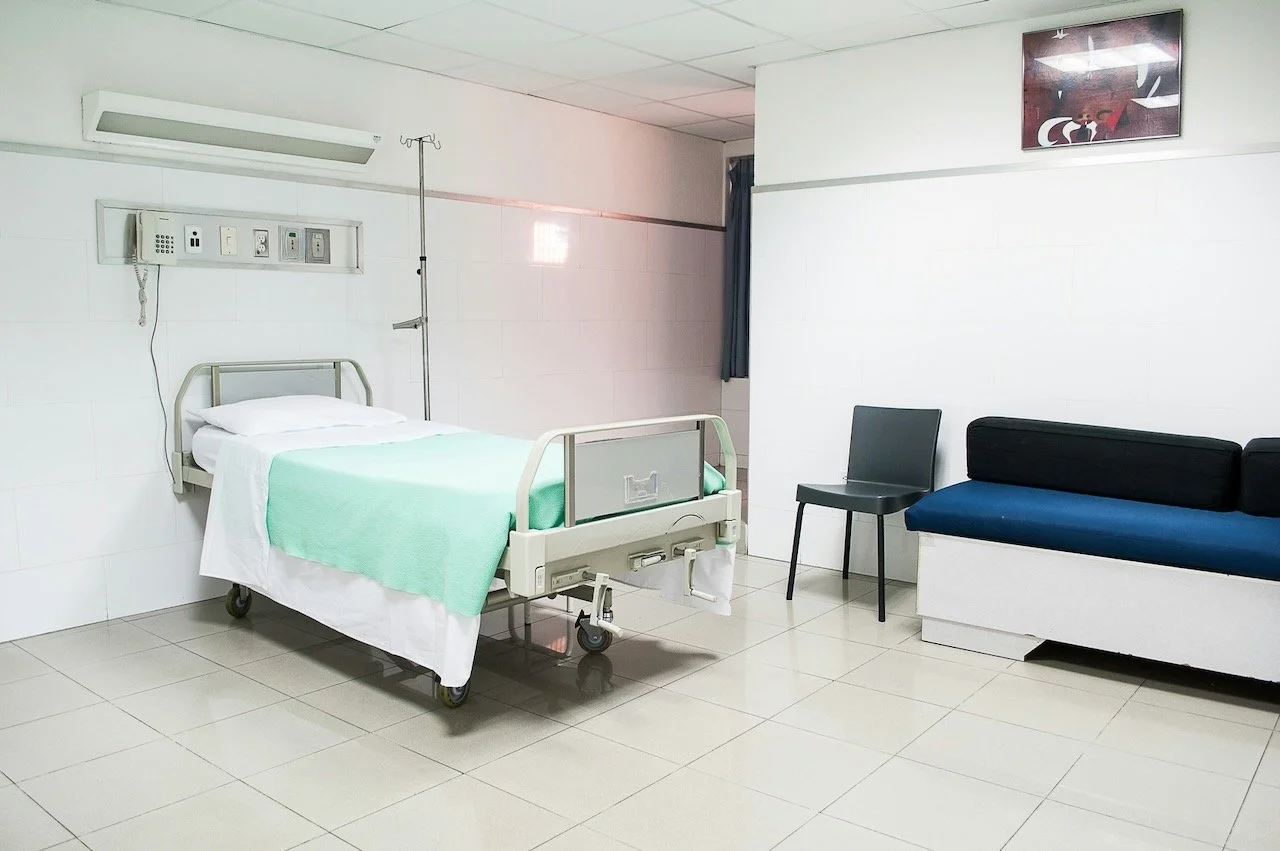
Hospital beds: scenes of all human experiences ranging from relief, grief, anger, hope and fear
Examples of Medical Trauma
Life-saving measures can still be a shocking experience for the body, have terrible side effects, or leave you feeling dismissed and voiceless. Even good medical care can be a very confusing, angering, or disempowering experience to receive. If you’re wondering whether other people have started having trauma symptoms after an experience like you had, here are some common things that often feel like medical trauma:
A birth that did not go according to plan or an infant who spent time in the NICU
Waking up during a surgery
Pain that wasn’t adequately treated
Procedures that you wouldn’t have agreed to if you had understood them better
A new diagnosis you were unprepared for
Witnessing emergency procedures on a loved one
Experiences during the covid pandemic
Simply experiencing something on that list doesn’t mean you now have medical trauma: trauma is not just defined by the severity of the event but also by how it is affecting you now. If you have been trying to talk yourself out of struggling, I encourage you to consider that your symptoms matter and can be helped - there’s not a bar for “bad enough” to deserve help healing from medical experiences.
Medical experiences can leave you struggling with anxiety, depression, or even post-traumatic stress disorder (PTSD). PTSD’s symptoms are usually sorted into four broad categories that might look like this after medical trauma:
intrusive memories (flashbacks, nightmares, fear, triggers)
avoidance (not calling the doctor, skipping appointments, avoiding medical scenes on tv, ignoring symptoms)
negative feelings and beliefs (feelings of betrayal, self-blame, lost confidence, struggling to trust medical providers)
a nervous system that's off kilter (panic attacks, insomnia, trouble concentrating, numbness, obsessing over symptoms)
If you are experiencing symptoms across several of these categories, consider talking with a therapist who understands trauma and PTSD. You don’t have to keep telling yourself “It wasn’t that bad” or compare your experience to someone else’s. The severity of the event doesn’t determine how it landed in your brain and body. What happened to you matters, and there’s help available so you can metabolize it and move back into living life again.

NICU stays: often traumatic for both child and parents
Childhood Medical Trauma
Medical trauma in childhood can be a particularly overwhelming experience. Children may experience separation from their caregivers as an additional terror, they frequently don’t understand what is happening to their bodies, and they aren’t always given the choice to consent to it. Even when medical providers and caregivers are doing their best for a child, medical events can be deeply traumatic for minors.
Even years after childhood medical trauma, you may struggle to trust medical providers and go to needed appointments, feel deeply disconnected from your body, have a difficult time speaking up, feel panicked or paranoid about physical symptoms, or feel a vague sense of a lost childhood. If some of these symptoms plus a history of chronic illness, hospitalizations, surgeries, or medical procedures were part of your childhood, consider reaching out for a medical trauma evaluation. Even though many years have passed, PTSD treatment can bring relief to the symptoms.

Reach out for help today!
Medical PTSD Treatment
PSTD from medical trauma is approached similarly to other types of trauma. Trauma treatment is usually approached in one of two ways: a “top-down” approach and a “bottom-up” approach.
A top-down approach focuses on your brain through dealing with thoughts and memories. This may involve talking through what happened, understanding your reactions, and helping your brain create a more complete story of the experience so that body symptoms can also diminish. CBT is an example of a top-down treatment. By contrast, a bottom-up approach focuses on the body and helping your body recognize that you are safe in the present moment so your brain can interpret the memories differently in future. Somatic therapy is an example of a bottom-up approach.
In many cases, effective trauma treatment combines both approaches by working with the brain and the body together through a combination of methods. I am an EMDR therapist, and one of the things I love about it is the simultaneous approach to trauma in both the brain and the body! But there are numerous treatments available for trauma: finding a modality and a therapist who feel like a good fit is an important piece of therapeutic progress. This article may be helpful if you’re wondering how to pick a therapist for medical trauma. Most therapists don’t advertise medical trauma as a specialty, but if they’re experienced in treating PTSD, they have likely treated medical trauma as well.
PTSD treatment cannot change what happened: it doesn’t erase the diagnosis, procedure, loss, or experience you went through. But it can help your brain and body process what happened so that the memory no longer intrudes into your daily life. With support, you can find a way to feel safe and at rest again.
Medical Trauma Treatment in Wichita, KS
If you’re wondering if EMDR could help you address PTSD symptoms from medical trauma, or even if you’re just wondering whether your experience “counts” as a medical trauma, you can read more about me here, read about how EMDR works here, or schedule a free consultation. I offer free consultations because my goal is for every client to enter therapy confident they’re in the right place for the work they want to do - so you can find the healing you’re searching for. With help, medical trauma can recede into the background of your life and stop holding you hostage. There is hope!
Elizabeth Peters, LMSW is a licensed therapist seeing clients in person in Wichita and online across Kansas. She provides EMDR and somatic therapy for adults who are overwhelmed by anxiety, painful relationships, spiritual harm, and trauma.